
Our beautiful waterfront is a treasure – but only if the systems behind it are resilient
The Independence Day weekend storm left behind flooded roads, fallen trees and widespread power outages. It also exposed something less visible but equally important: Greenwich’s water infrastructure is being tested by stronger storms, aging systems and growing demands.
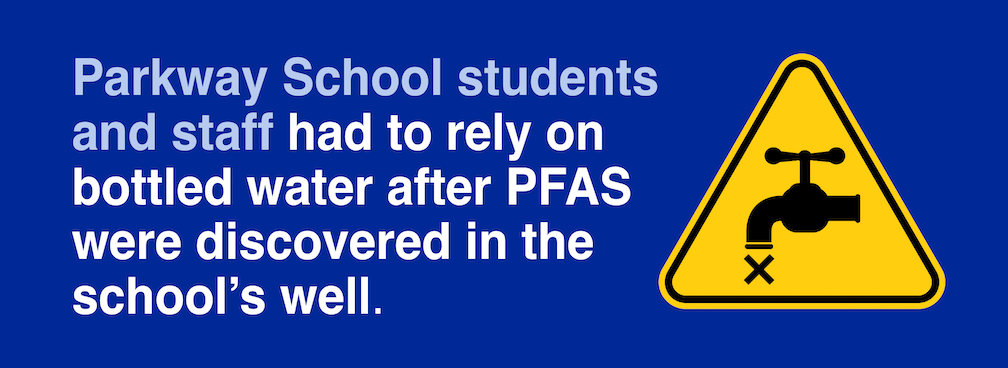
The effects are being felt across town. Parkway School students and staff had to rely on bottled water after PFAS—commonly known as “forever chemicals”—were discovered in the school’s well. Families who visit Byram Park Beach routinely encounter swimming advisories after heavy rains because bacteria-laden stormwater flows into the inlet. And during construction of the new Central Middle School, engineers determined that additional water infrastructure improvements were needed to provide the “fire flow” required for the school’s sprinkler system, leading the Representative Town Meeting and Board of Estimate & Taxation (BET) to approve a $6 million emergency appropriation to keep the project on schedule.
These may seem like unrelated problems. They are not.
Together, they illustrate a broader challenge facing Greenwich. From stormwater drainage and drinking water to wastewater treatment and fire protection, water infrastructure protects public health, public safety and our quality of life.
Climate change is changing the equation
Across the Northeast, heavier and more frequent downpours are placing increased strain on infrastructure designed for a different era. When aging drainage systems are overwhelmed, stormwater carries oil, pesticides, bacteria, septic and sewer waste into our brooks, rivers and Long Island Sound. Roads flood, culverts fail and wastewater systems come under greater stress.
Byram Beach offers a visible example. Save the Sound’s annual Beach Report recently gave the beach a D+ grade because of recurring elevated bacteria levels, largely caused by untreated stormwater runoff entering the marina cove after heavy rain. Investments in modern drainage systems and green infrastructure like permeable pavement in parking areas allow rainwater to soak directly into the earth rather than pooling and running off into the Sound. These can help reduce pollution while protecting one of Greenwich’s most popular public beaches.
The Parkway experience also highlighted a broader challenge. PFAS and other contaminants have been detected in residential wells. Other contaminates are present in Greenwich’s public drinking water. Yet the town’s Board of Health has limited authority to require treatment or direct remediation.
Oversight of the drinking water in private wells and public water supplies rests primarily with the Connecticut Department of Public Health and the U.S. Environmental Protection Agency. Local officials can advocate, educate and monitor, but many regulatory decisions come from the state and federal levels, making remediation particularly fraught for families who rely on wells.
Investing in resilience
Preparing for the future means making smart investments before small problems become expensive emergencies.
Greenwich Democrats are working to make those investments a reality:
- Democratic Selectwoman Rachel Khanna has advocated for stronger environmental protections, opposed the proposed acquisition of Aquarion over concerns about accountability and ratepayer costs, and supported investments in stormwater management and flood mitigation.
- On the BET, Democratic leaders helped secure emergency funding to keep the Central Middle School project moving, supported more than $9 million for improvements to Greenwich’s wastewater treatment plant, and approved replacement of the Dearfield/Grove culvert to reduce localized flooding during major storms.
These projects may not attract headlines like a summer storm does, but they help ensure safe drinking water, cleaner beaches, reliable wastewater treatment and resilient public infrastructure. They are investments that protect residents today while preparing Greenwich for the challenges of tomorrow.
The holiday storm didn’t create these challenges—it revealed them. Preparing for the next storm means investing now in the infrastructure that protects our drinking water, our environment and our public safety. Greenwich Democrats are committed to making those investments so our community remains safe, resilient and prepared for generations to come.
Smart bins make composting easier in Greenwich
Recycling your food scraps just got even easier –– and smarter! Thanks to a partnership between the Conservation Department and Waste Free Greenwich, new app-accessible smart bins are now available at Binney Park and Cos Cob Park. This addition gives residents a convenient, 24/7 way to turn food waste into soil-enriching compost.
The new smart bins come courtesy of a competitive state grant. Over 20 applications were submitted and Greenwich was one of only nine applicants to receive an award.
The new bins build on the success of Greenwich’s Scraps to Soil program. Food scraps make up the largest part of the town’s waste stream, so keeping them out of the trash reduces pollution and greenhouse gases, and turns valuable organic material into nutrient-rich compost. Since the program launched in June 2020, Greenwich residents have diverted about 390 tons of food waste — preventing an estimated 1,420 metric tons of greenhouse-gas emissions, the equivalent of avoiding about 3.6 million miles of driving.
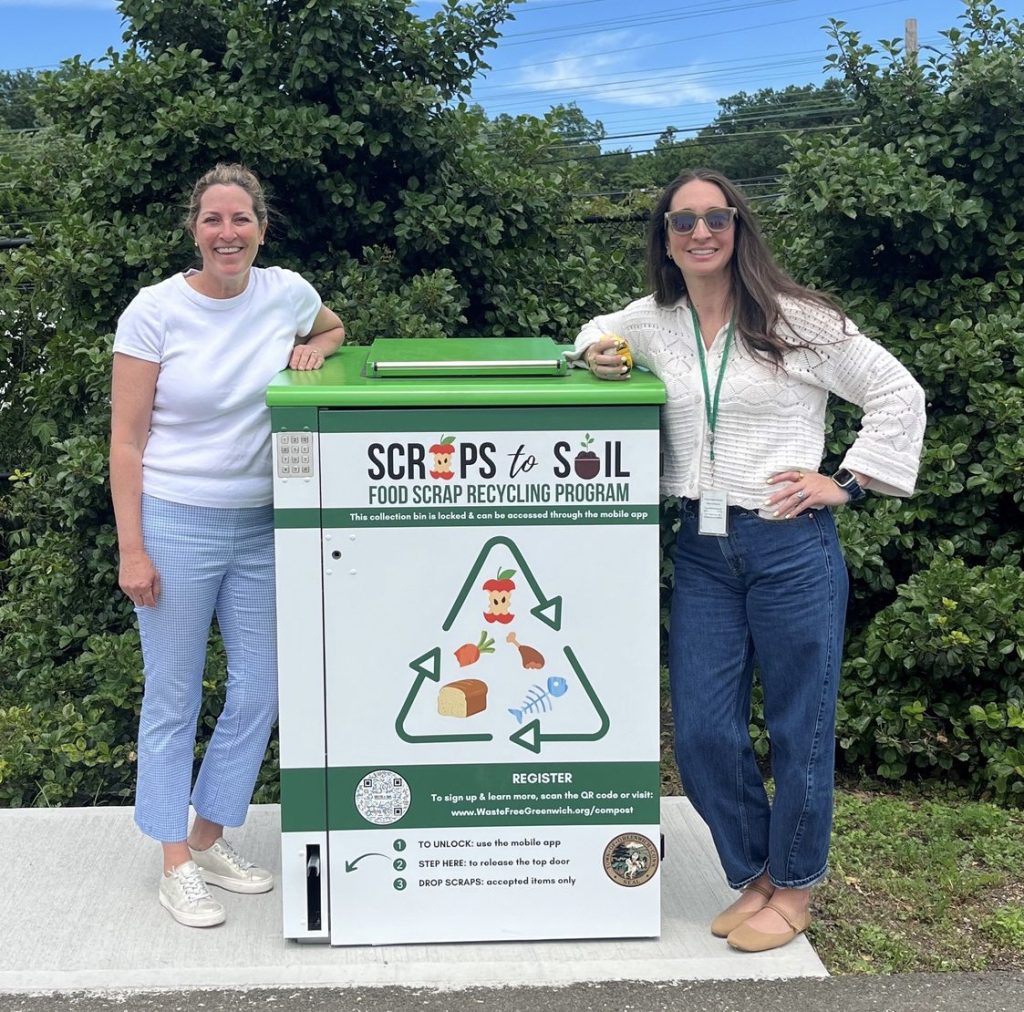
Julie DesChamps, Founder of Waste Free Greenwich (left) and Sarah Coccaro, Assistant Director of Greenwich Environmental Affairs with new smart bin.
Julie DesChamps, founder of Waste Free Greenwich, notes, “The new app-enabled technology means residents will be able to dispose of their food scraps whenever it’s convenient for them, instead of being restricted to when town facilities are open. Given the enthusiastic response since we began Waste Free Greenwich, and the demand to expand the smart bins to other neighborhoods, we’re confident in this latest program’s success and excited about future growth.”
Ready to turn your scraps into soil? For program details, to download the app, or to find out when the team will be onsite to walk you through the new smart bins, visit Waste Free Greenwich’s Scraps to Soil web page.
What we’re reading
… And listening to… Climate change is accelerating, but so is the clean energy revolution. On The Ezra Klein Show, he and Bill McKibben discuss the sobering realities alongside remarkable progress—including Australia’s success with solar power, which has made electricity effectively free from noon to 3 p.m. on many days because of their dedication to solar generation. It’s a hopeful reminder that the technologies to build a cleaner future are already here — we just need to scale them.
Action Calendar
July 18. Knock.
Join Jill Oberlander and an energetic group of your new besties for a fun day of talking with voters about what’s on their minds. We’ll meet up at Jill Oberlander for State Senate HQ at 11 a.m. Campaigns are won door by door, person by person. It’s one of the most effective ways to persuade and get out the vote (GOTV). RSVP here. 11 a.m., 230 Mason St., 1st Floor.

July 30. Veggie out.
Embark on a delightful journey through vibrant, lush, and thriving vegetable gardens, as the Greenwich Land Trust invites you to explore the secrets of sustainable living and the joys of cultivation. From meticulously tended vegetable patches to enchanting personal garden beds, each stop on their self-guided Tour de Veggie offers a glimpse into the artistry and dedication of passionate gardeners. 10 a.m. – 3 p.m. at various locations in Greenwich. For information, click here.
August 6. Get social.
It’s time again for our 4th Annual DTC Wine & Cheese at the Beach! What could be better than a relaxing summer evening of wine and cheese with old friends and new at our stunningly beautiful Greenwich Point Park? Join your fellow Democrats for a midsummer evening of laughter and good company. Let us know you’re coming by RSVP-ing here. Thursday, August 6, 5:30 p.m. – sunset, Greenwich Point Beach just beyond the second snack stand. (Rain date August 13).
August 11. Vote.

| Volume 5, Number 2 • July 17, 2026 |
| Paid for by the Greenwich Democratic Town Committee. |
| Greenwich Democratic Town Committee P.O. Box 126 Greenwich, CT 06836 |